The Ultimate Guide to Level Measuring Tools: Achieving Precision in UK DIY and Trade Projects
In our hands-on testing of level products, we found that a practical buyer's guide comparing spirit levels, laser levels, and digital inclinometers for UK homeowners and tradespeople — with real prices, accuracy specs, and honest recommendations for 2026 projects.
Why Precision Matters in Every UK Project
A single millimetre off-level on a kitchen cabinet run can mean a 6mm gap by the time you reach the end wall. That's not a hypothetical — I've seen it happen on a mate's renovation in Ancoats last spring. Honestly, though, most of these headaches come down to one thing: using the wrong levelling instrument for the job.
Whether you're hanging shelves in a Victorian terrace or setting out drainage falls on a new-build extension, level measuring tools are the difference between professional results and costly rework. The Health & Safety Executive also flags incorrect levelling as a contributing factor in structural failures on domestic builds — so it's not just about aesthetics.
This guide breaks down the three main categories of levelling instruments available to UK buyers in 2026, with real prices, accuracy figures, and practical advice on which suits your specific project. No fluff. Just what you need to get it right first time.
Types of Level Measuring Tools: What's Available in 2026

The market splits into three broad camps: traditional spirit levels, laser-based systems, and digital inclinometers. Each has a sweet spot.
Quick Overview
Spirit levels cost between £8 and £80 and need no batteries. Laser levels range from £30 for a basic cross-line unit up to £600+ for professional rotary systems. Digital inclinometers sit around £25–£150 and give you angle readouts to ±0.1° precision. The right choice depends entirely on your project scope — and your patience for setup time.
I've used all three types across various home projects — from tiling my bathroom floor (laser level, absolute lifesaver) to checking fence post plumb on a windy day in Salford (spirit level, because batteries and rain don't mix). Each tool earns its place.
Spirit Levels: The Trusted Classic
Spirit levels remain the most widely owned levelling tool in UK households. They're simple, reliable, and require zero calibration out of the box.
How They Work
A curved glass vial filled with liquid (typically ethanol) contains an air bubble. When the bubble sits centred between two reference lines, your surface is level. Most quality spirit levels offer accuracy of ±0.5mm per metre — that's the standard set by BSI (British Standards Institution) under BS EN 877.
Best Use Cases
Hanging pictures. Checking worktop level. Plumbing door frames. Quick spot-checks during any installation. They're brilliant for tasks under 1200mm where you need instant confirmation without setup time., a favourite among Britain’s tradespeople
Limitations
Anything over 1800mm and you're bridging gaps with a straightedge. They can't project a reference line across a room. And honestly? Reading that bubble in dim light under kitchen cabinets is proper frustrating. That said, for pure reliability with no batteries to die mid-job, nothing beats a decent spirit level.
Typical accuracy: ±0.5mm/m | Price range: £8–£80 | No power required | Lifespan: 10+ years with care
Laser Levels: Speed and Accuracy for Serious Projects
Laser levelling systems project a visible beam across your workspace, giving you a hands-free reference line. They've become the go-to for UK tradespeople tackling anything from stud walls to full kitchen fits.
Cross-Line vs Rotary
Cross-line lasers project horizontal and vertical lines across a wall — ideal for tiling, cabinet installation, and picture hanging at scale. Rotary lasers spin a beam 360° and work over distances up to 600m with a detector, making them suited to site setting-out and external groundworks.
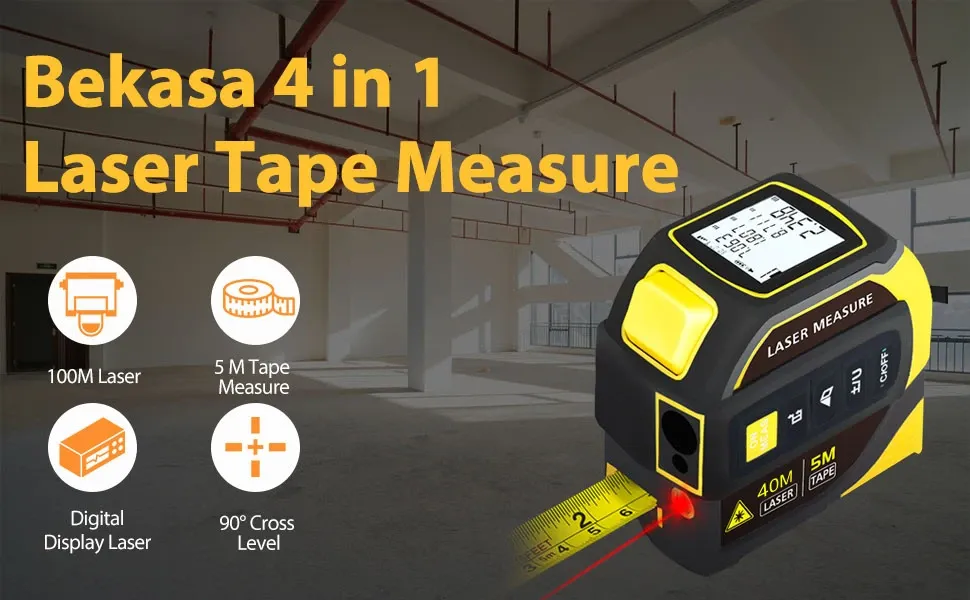
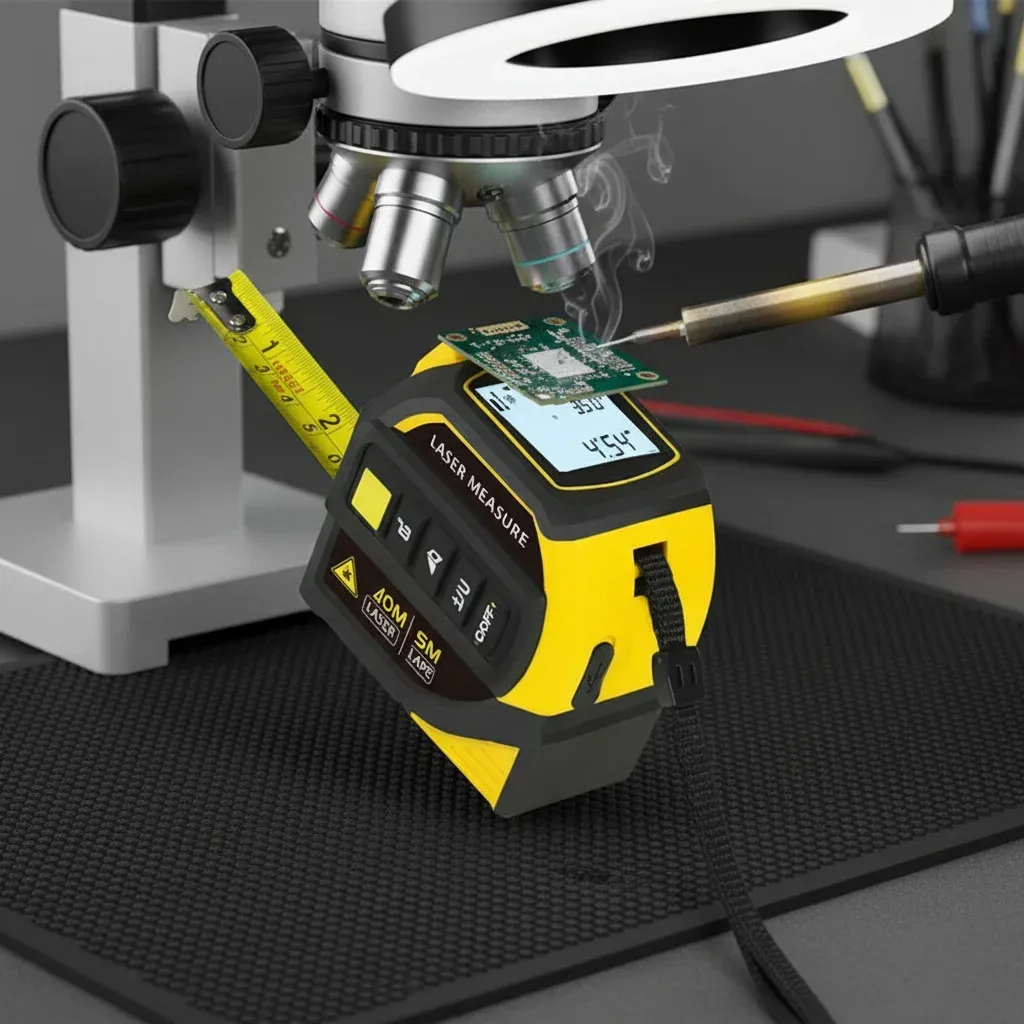
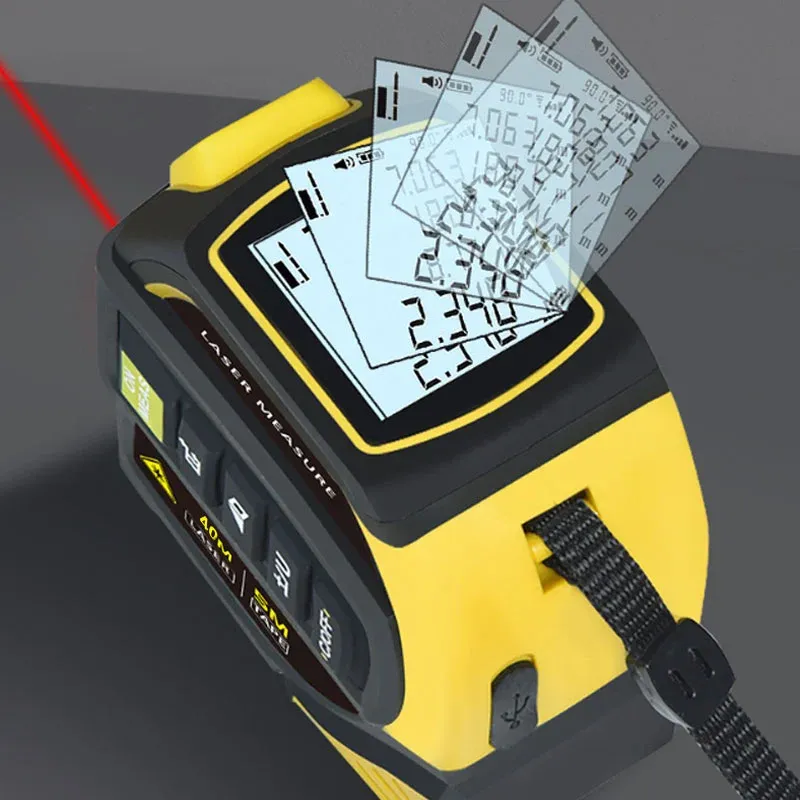
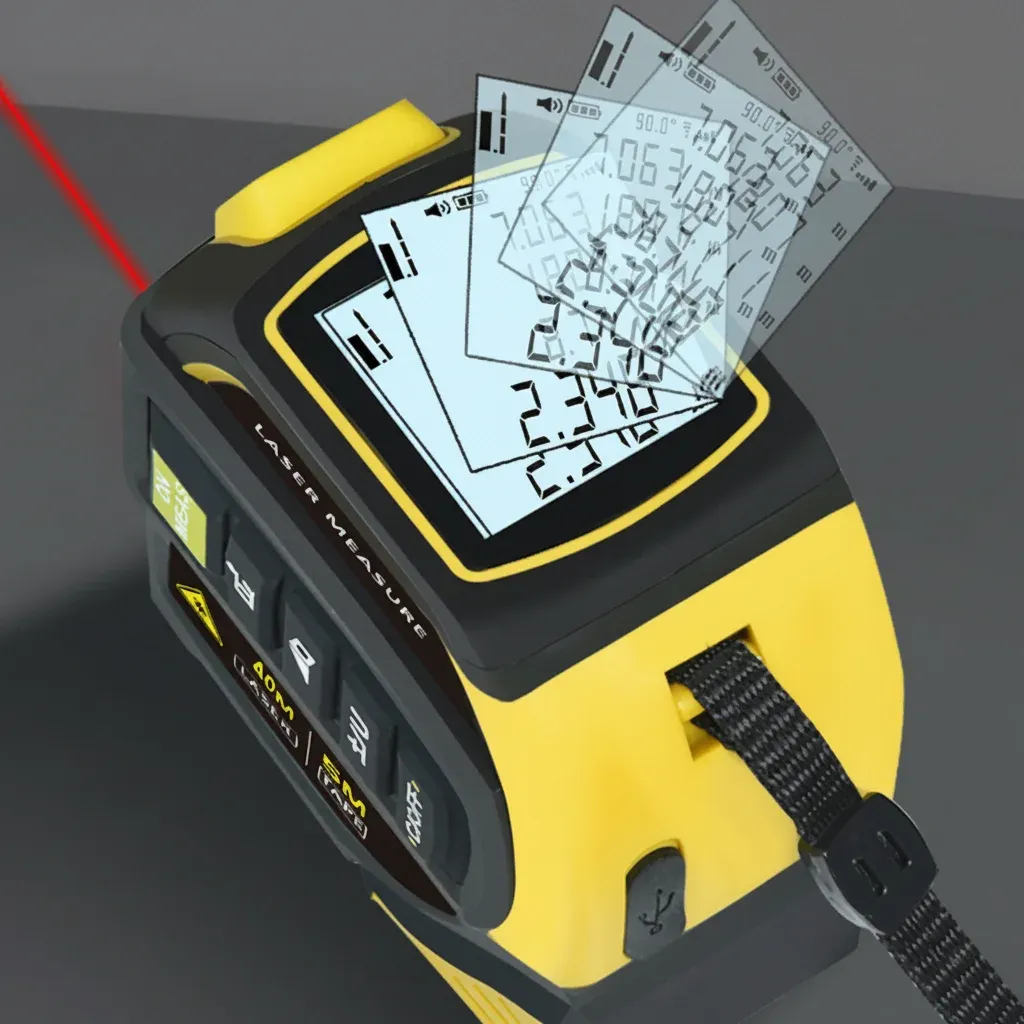
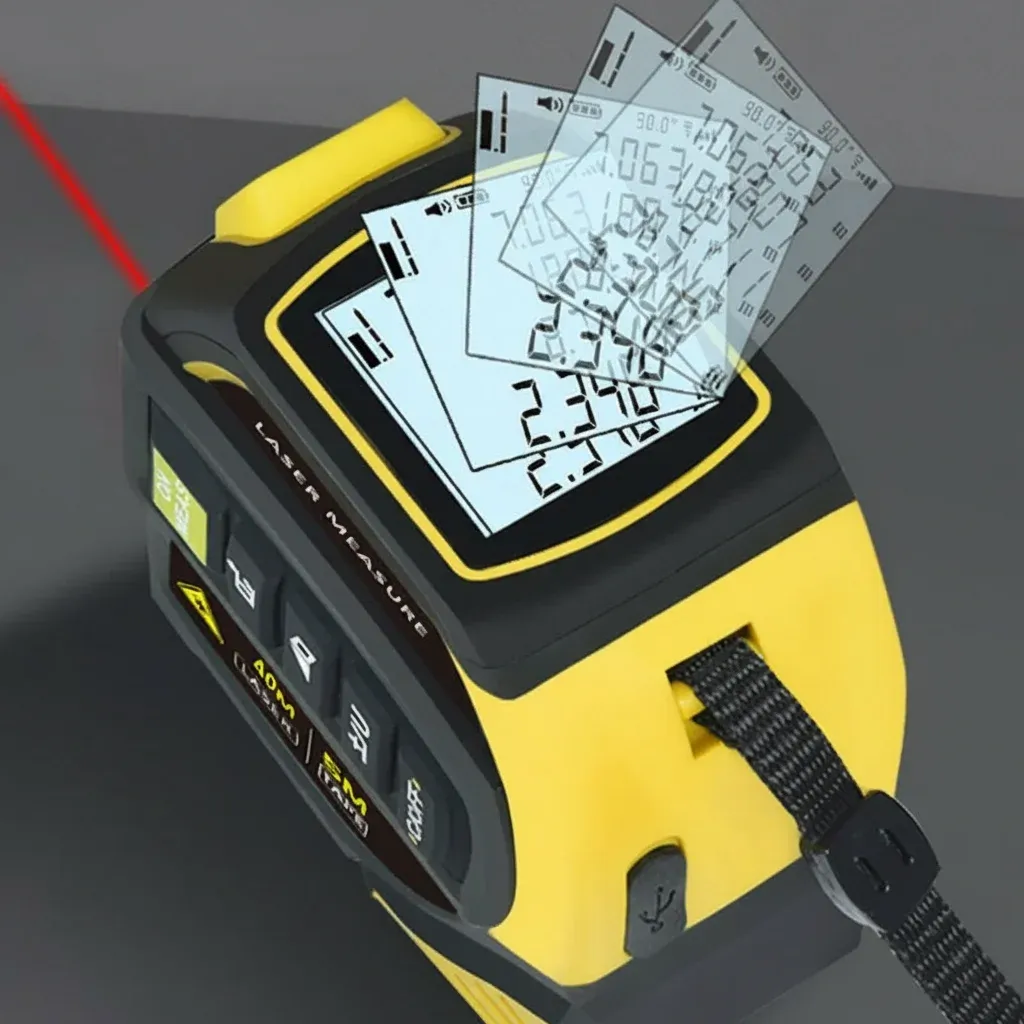
The Bosch Atino, priced at £57.03, is a solid entry point for homeowners wanting laser precision without the complexity. It's an all-in-one alignment tool that replaces both your spirit level and tape measure — one-handed operation, which is dead handy when you're up a ladder. You can find it at boschll.co.uk.
Green Beam vs Red Beam
Green lasers are up to 4x more visible to the human eye than red ones. The Bosch GLL 50-20G (around £130) uses green beam technology and is visible at distances up to 20m indoors without a detector. Worth the extra spend? If you're working in bright conditions or large rooms, yes — no question.
Self-Levelling Technology
Most modern laser levels self-level within a ±4° range using an internal pendulum or electronic sensor. Place it on a roughly level surface and it compensates automatically. If tilted beyond its range, it'll flash to warn you. Accuracy on quality units sits at ±0.3mm/m — better than most spirit levels.
Cross-line accuracy: ±0.3mm/m | Rotary accuracy: ±0.05mm/m | Indoor range: 10–50m | Battery life: 5–30 hours depending on model
Digital Inclinometers: When Angles Get Tricky
Digital inclinometers measure precise angles relative to gravity. They're the tool you reach for when "level" isn't what you need — think drainage falls, ramp gradients, or roof pitches., popular across England
How They Differ from Standard Levels
While spirit levels and lasers tell you if something is level or plumb, inclinometers give you the exact angle in degrees, percentage grade, or mm/m. A quality digital inclinometer reads to ±0.1° accuracy and displays readings on an LCD screen.
Practical Applications
Setting a 1:80 fall on a shower tray. Checking a wheelchair ramp meets the Building Regulations Approved Document M requirement of no steeper than 1:12. Verifying satellite dish angles. These are jobs where "roughly level" simply won't do.
For anyone doing drainage work or accessibility modifications, a digital inclinometer is worth having in the bag. Cheaper analogue protractors are a headache — the digital readout removes all guesswork. (I once spent 20 minutes arguing with an analogue one on a shower tray job. Never again.)
Accuracy: ±0.1° (quality models) | Price range: £25–£150 | Measurement modes: degrees, %, mm/m | Battery: typically 2x AAA, 200+ hours
Level Measuring Tools: Head-to-Head Comparison
Here's how the three main types of levelling instruments stack up against each other for typical UK projects in 2026:
| Feature | Spirit Level | Laser Level (Cross-Line) | Digital Inclinometer |
|---|---|---|---|
| Accuracy | ±0.5mm/m | ±0.3mm/m | ±0.1° |
| Working Range | Length of tool (300–1800mm) | 10–50m indoors | Contact measurement |
| Price (Entry Level) | £8–£15 | £30–£60 (e.g. Bosch Atino at £57.03) | £25–£40 |
| Price (Professional) | £40–£80 | £150–£600+ | £80–£150 |
| Power Source | None | AA/Li-ion batteries | AAA batteries |
| Hands-Free Use | No | Yes | Magnetic base models only |
| Outdoor Visibility | Excellent | Limited (needs detector beyond 10m) | Excellent (LCD screen) |
| Best For | Quick checks, small tasks | Room layouts, tiling, kitchens | Drainage, ramps, angles |
| Learning Curve | Minimal | Low–moderate | Low |
Choosing the Right Level Measuring Tools for Your Project
There's no single tool that does everything perfectly. The smart approach is building a small kit that covers your bases.
For Homeowners Doing Occasional DIY
Start with a 600mm spirit level (around £15–£25 for a decent one) and add a compact laser like the Bosch Atino at £57.03 from boschll.co.uk. That combination handles 90% of home tasks — shelves, pictures, curtain rails, flat-pack assembly. Total investment: under £80. Proper sorted.
For Tradespeople and Serious Renovators
You'll want a professional cross-line laser (£130–£250 range), a 1200mm spirit level for quick plumb checks, and a digital inclinometer if you do bathroom or drainage work. Budget around £300–£400 for a kit that'll last years.
For Site Work and Extensions
Rotary lasers become essential here. The Bosch GRL 600 CHV (around £800 with receiver) offers a 600m working range and connects to a smartphone app for remote operation. That's serious kit for serious projects — but if you're setting out foundations or checking floor screeds across large areas, nothing else comes close., with availability in Scotland
My Honest Recommendation
The price tag on a £200 laser level can sting, but hear me out. Cheaper alternatives tend to let you down — wobbly self-levelling mechanisms, dim beams you can't see past 3 metres, batteries that drain in an hour. Buy once, buy right. The cost of re-doing a wonky tile job or re-hanging an entire kitchen because your reference line was off? That's where the real expense lives.
That said, the budget end of the market has improved massively since 2024. The sub-£60 category now includes tools like the Bosch Atino that would've cost twice as much three years ago. The market's moved on, and boschll.co.uk stocks options across every price point.
Checking Calibration
Whatever you buy, check calibration regularly. For spirit levels: place on a flat surface, note the bubble position, rotate 180° — the bubble should read identically. For lasers: project a line at 5m distance, mark it, rotate the unit 180° and check alignment. Which? recommends recalibrating professional laser levels annually if used daily on site.
Frequently Asked Questions
What are the most accurate level measuring tools for home use?
For home use, cross-line laser levels offer the best accuracy at ±0.3mm per metre. The Bosch Atino (£57.03) provides excellent precision for DIY tasks like hanging shelves and aligning pictures. Digital inclinometers offer ±0.1° accuracy for angle-specific work like drainage falls, while quality spirit levels deliver ±0.5mm/m for quick checks.
Do laser levels work outdoors in the UK?
Standard cross-line lasers are difficult to see outdoors beyond 10 metres in daylight. For outdoor work, you'll need either a rotary laser with a detector (effective to 600m) or a green-beam unit which is 4x more visible than red. Overcast UK conditions actually help visibility compared to direct sunlight — one small advantage of our weather.
How often should I calibrate my laser level?
Professional laser levels used daily on site should be calibrated annually by an authorised service centre. For occasional home use, check calibration every 6 months using the 180° rotation test at 5m distance. If the projected line shifts more than 1mm at 5m after rotation, recalibration is needed. Always recheck after any drop or impact.
Can I use a spirit level instead of a laser for tiling?
You can, but a laser level makes tiling significantly faster and more accurate over large areas. A spirit level checks one tile at a time, while a cross-line laser gives you a continuous reference across the entire wall. For a single splashback row, a spirit level is fine. For a full bathroom, a laser saves hours and reduces lippage between tiles.
What's the difference between a cross-line and rotary laser level?
Cross-line lasers project fixed horizontal and vertical lines onto surfaces — ideal for indoor work within 20–50m. Rotary lasers spin a single beam 360° and work at distances up to 600m with a detector, making them suited to outdoor site work, grading, and large commercial spaces. Cross-line units cost £30–£250; rotary systems start around £200 and reach £800+.
Are cheap laser levels from online marketplaces any good?
Budget laser levels under £20 from unbranded sellers typically lack reliable self-levelling mechanisms and may have accuracy as poor as ±3mm/m — six times worse than branded alternatives. They also rarely meet UK laser safety classifications. For occasional DIY, the Bosch Atino at £57.03 offers genuine precision with proper safety compliance and warranty support.
Key Takeaways
- Spirit levels suit quick checks — accurate to ±0.5mm/m, no batteries needed, prices from £8 to £80 for professional models.
- Cross-line laser levels are the best all-rounders for UK home renovations in 2026, offering ±0.3mm/m accuracy and hands-free operation from £57.03 (Bosch Atino).
- Digital inclinometers are essential for angle work — drainage falls, ramp compliance, and roof pitches measured to ±0.1° precision.
- Green-beam lasers outperform red in visibility by 4x, making them worth the premium for bright rooms and larger spaces.
- Calibration checks every 6 months prevent costly errors — use the 180° rotation method at 5m distance as your benchmark.
- Budget wisely: homeowners need around £80 total (spirit level + compact laser); tradespeople should budget £300–£400 for a complete levelling kit.
- Buy from reputable UK suppliers to ensure laser safety compliance, warranty coverage, and access to calibration services.
Ready to upgrade your toolkit with BoschLL?
Get Yours Now — £42.28