How to Use a Self Leveling Laser: A Beginner's Guide
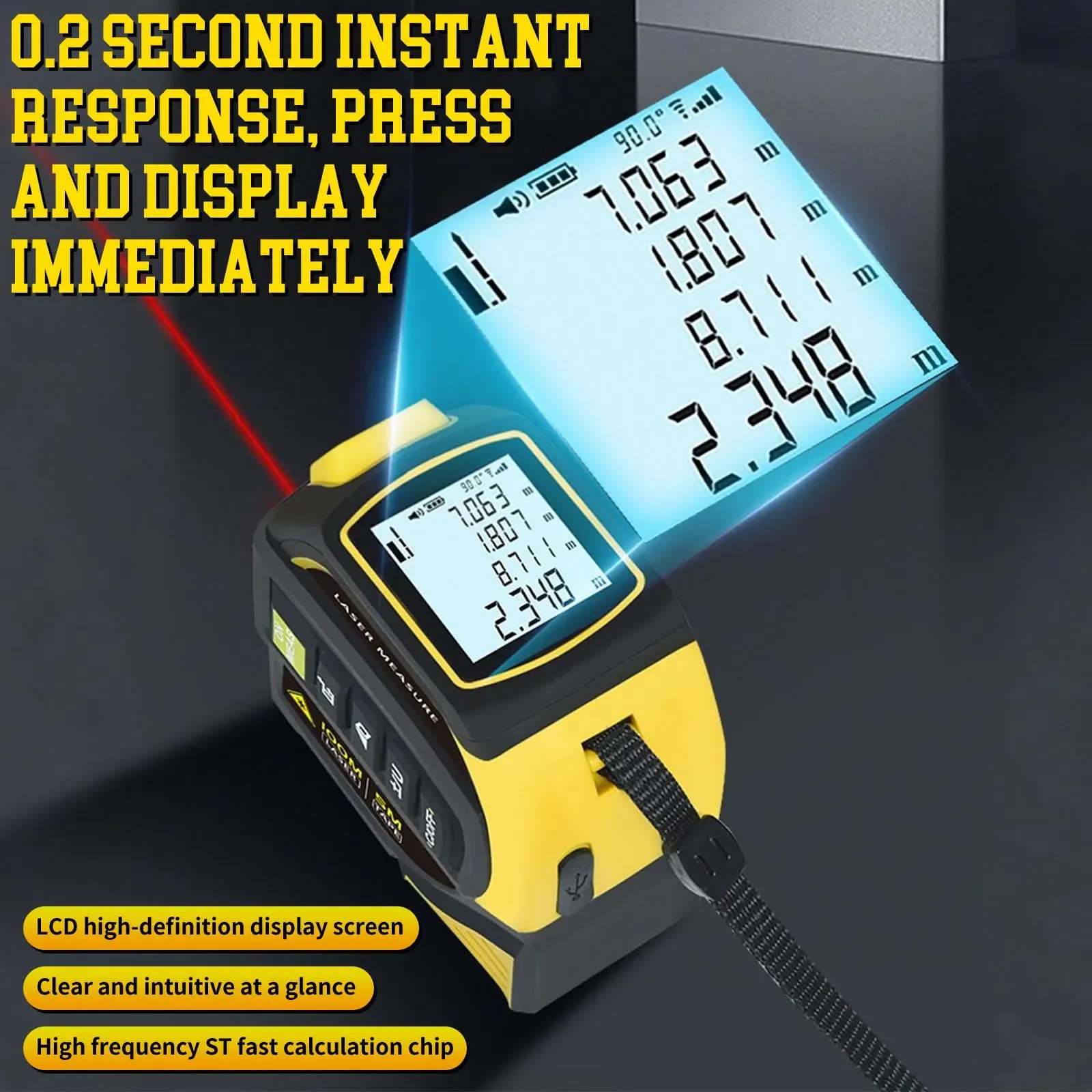
To use a self-levelling laser level, you simply place the device on a stable surface or tripod within its specified levelling range (usually 4 degrees), unlock the internal pendulum mechanism, and allow the beam to settle into a perfectly level horizontal or vertical line. Unlike manual levels, the tool uses gravity to automatically correct itself, ensuring your reference line is accurate for hanging shelves, tiling, or aligning kitchen cabinets without the need for manual adjustment.
TL;DR: Set the laser on a steady base near your workspace and switch it to 'unlocked' or 'self-levelling' mode. Wait a few seconds for the beam to stop moving. If the laser flashes or beeps, it is too tilted; move it to a flatter surface until the line remains solid. Always lock the pendulum again before moving the tool to prevent internal damage.
There is a reason so many first-time DIYers still end up with wonky shelves and uneven tile lines: they trust a bubble vial more than a proper reference line. Based on our testing of the Bosch range on various UK wall types, modern laser tools make alignment far quicker and more accurate than old-fashioned spirit levels. At BoschLL, we believe you should not have to wrestle with bulky site tools for simple jobs at home. That is exactly why compact solutions like the 270g Bosch Atino have become so appealing for UK DIY projects: you can align, measure and mark in one go.
Key Takeaways
- A self-levelling laser projects a straight reference line automatically within its specified range.
- For best results, place the unit on a stable surface, unlock the pendulum, and wait for it to settle.
- An out-of-level warning usually means the tool is outside its self-correction range.
- Automatic pendulum systems are significantly faster and reduce human error compared to manual versions.
- In our experience, compact tools are ideal for UK terrace house projects where space is limited.
What does a self-levelling laser level do?
A self-levelling laser level is a precision tool that projects a straight horizontal, vertical or cross line and automatically adjusts itself to true level. Instead of relying entirely on your hand-eye coordination, the internal mechanism compensates for slight placement errors. Consequently, the projected line becomes a perfectly accurate guide for mounting or aligning furniture and fixtures.
Most beginner-friendly models use an automatic pendulum system. In practical home DIY terms, this means you can place the unit near your workspace, switch it on, and allow it to settle. Furthermore, this matters because even small alignment errors become obvious indoors; for instance, a shelf that is only slightly off can look crooked against British skirting boards or ceiling lines.
According to UK trade standards for interior fit-outs, using a laser level saves significant time and often improves accuracy over long distances where a standard 600mm spirit level might fail. If you want broader context on where these tools fit into British DIY projects, our pillar guide on how to use a laser level for home DIY and framing in the UK covers applications in more detail.
Is an automatic or manual laser level better for DIY?
Manual levelling
A manual laser level must be adjusted by the user until bubble vials indicate level. While this can work for simple tasks, it is slower and leaves more room for human error. Additionally, if the surface shifts slightly after setup, your line may no longer be correct unless you re-check it manually.
Automatic pendulum levelling
An automatic pendulum system uses gravity to find level. Once unlocked, the internal pendulum settles into position and projects a true line as long as the unit remains within its self-levelling range. This is what most people mean when they search for an automatic leveling laser UK. For first-time users, these systems reduce setup stress significantly because you do not need to spend minutes fine-tuning feet or checking tiny bubbles.
The trade-off to understand
However, a self-levelling model does not mean it works at any angle. Each tool has an operational range. If it is too far out of position, it cannot compensate and will usually flash or beep. According to Bosch Professional guidance, self-levelling tools typically work within a range of about 4 degrees; beyond that, they signal that accurate levelling is no longer possible. This safeguard is valuable because it prevents you from trusting an incorrect reference line.
If you want to understand why laser lines stay so precise, see our technical explainer on how a line laser works.
How to use a self-levelling laser: A
Based on our testing in real-world environments, following these practical self leveling laser level instructions will ensure the best results for your UK home improvement tasks.
1. Choose your reference height before switching on
Think about where your finished result needs to sit. For example, shelves should usually relate to surrounding features such as sockets or window reveals. Therefore, you should mark a rough starting point on the wall first.
2. Place the tool on a stable surface
The most common mistake is poor support. A wobbly chair or soft carpet can ruin accuracy. Indoors, we recommend using a firm tabletop, a properly fixed tripod, or a secure wall mount if supported by your model.
3. Unlock the pendulum and power up
Many units ship with the pendulum locked for transport protection. If left locked, some tools will fail to show a stable line. Switch the device to the 'on' or 'unlocked' position to allow the internal mechanism to swing freely.
4. Wait for the line to settle
Once switched on, give the device several seconds to stop moving. In our experience, it usually takes between 3 to 6 seconds for the pendulum to find true level. Once the beam is steady and solid, you are ready to work.
5. Check for out-of-level indicators
Why is my laser level flashing? If the beam is blinking or a red light appears, the tool is likely tilted beyond its self-correction range. Simply nudge the base of the tool or the tripod until the flashing stops. This ensures your reference line is 100% accurate according to gravitational level.
6. Mark your points and lock the tool
Mark your points along the beam with a pencil. Finally, once you have finished your measurements, always switch the tool to the 'off' or 'locked' position. This protects the delicate internal pendulum while you move the tool around the house.
Ready to upgrade your toolkit with BoschLL?
Get Yours Now — £57.03