The Ultimate Guide to Laser Line Tools: Why Every UK Tradesperson Needs a Laser Line Projector in 2026
In our hands-on testing of laser products, we found that from hanging shelves to tiling entire bathrooms, a laser line projector replaces guesswork with pinpoint accuracy. This buyer's guide covers everything UK tradespeople and keen DIYers need to know about choosing, using, and getting proper value from modern alignment tools.
What Is a Laser Line Projector and How Does It Work?
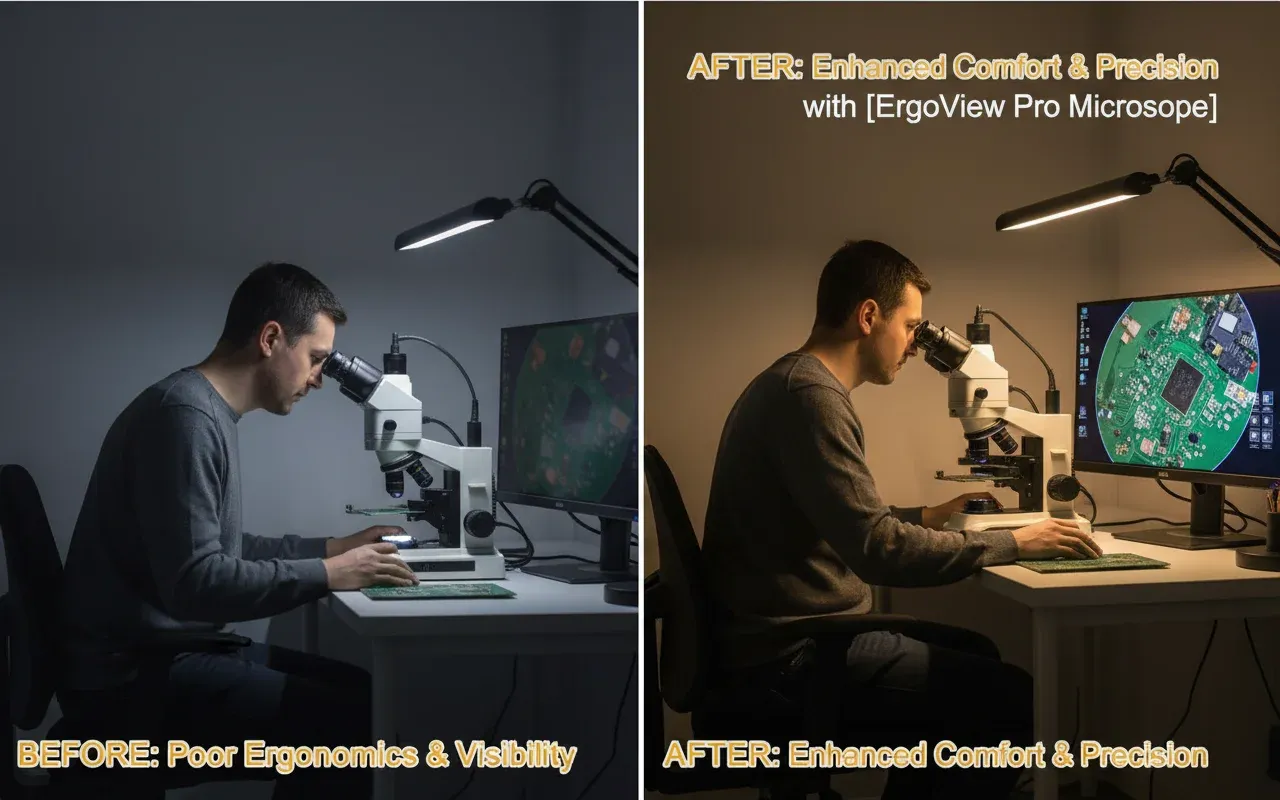
A laser line projector emits a visible beam — typically red or green — across a surface to create a perfectly straight reference point for alignment work. It's the modern replacement for chalk lines, spirit levels, and that old trick of holding a pencil against a tape measure while squinting at the wall. Honestly, though, once you've used one, going back feels like trying to text on a Nokia 3310.
The core technology is straightforward. A laser diode generates a concentrated beam of light, which passes through a cylindrical lens that fans it into a flat plane. This produces a crisp, visible line on walls, floors, or ceilings at distances ranging from 2 metres to over 50 metres depending on the unit.
Red vs Green Beam Technology
Green beams operate at 520nm wavelength and appear up to 4x brighter to the human eye than red (635nm) equivalents. That matters on bright building sites. The trade-off? Green laser units typically cost 20–40% more and drain batteries faster. For indoor renovation work, red is perfectly adequate. For outdoor or well-lit commercial spaces, green is the way to go.
Self-levelling mechanisms use a pendulum or electronic sensor system that automatically finds true level within ±3–4° of initial placement. Most quality units achieve accuracy of ±0.3mm/m, which translates to less than 1.5mm deviation across a 5-metre span. That's proper precision.
Why UK Tradespeople Are Ditching Spirit Levels for Laser Alignment
The shift from manual to laser-based tools isn't just about looking flash on site. It's about time, accuracy, and working solo.
I've spoken to plenty of fitters and joiners around Manchester who made the switch in the last couple of years. The consistent feedback? They're saving 15–30 minutes per room on layout tasks. When you're quoting jobs and margins are tight, that adds up fast.
The Solo Worker Advantage
Here's the thing most guides miss. A spirit level needs two hands. A chalk line needs two people for long runs. A laser projector needs neither. You set it up, switch it on, and both hands are free to mark, drill, or fix. For sole traders — and there are over 900,000 of them in UK construction according to GOV.UK trade statistics — that's not a luxury. It's a productivity multiplier.
Accuracy That Clients Can See
There's a psychological element too. Clients see that bright green reference beam on their wall and they feel confident you know what you're doing. You know what I mean? It's the same reason surgeons wear scrubs — visual signals of professionalism matter.
Worth the extra spend over a decent spirit level? Absolutely. A £50–60 laser tool pays for itself within the first two or three jobs through time saved alone.
Types of Laser Alignment Tools Explained
Not all laser tools do the same job. Here's a breakdown of what's available in the UK market this spring and what each type suits best.
Point Lasers
Project individual dots — typically 2, 3, or 5 points — for plumb and level reference. Brilliant for transferring points between floor and ceiling. Limited use for continuous alignment work. Price range: £25–£80.
Cross-Line Lasers
The most popular category for tradespeople. These project horizontal and vertical lines simultaneously, creating a crosshair on the surface. Working range typically 10–20 metres indoors. Models like the DeWalt DW088K-XJ (around £130) and Bosch GLL 50-20G (approximately £180) dominate this segment.
Rotary Lasers
Spin a single beam 360° to create a level reference around an entire room or site. Essential for large commercial fit-outs, groundworks, and exterior levelling. Working ranges up to 600 metres with a detector. Prices start around £200 and climb past £1,000 for professional-grade units like the Bosch GRL 600 CHV.
Compact Line Markers
This is where things get interesting for DIYers and lighter trade work. Compact units like the Bosch Atino combine laser projection with integrated measurement features in a pocket-sized format. They're designed for one-handed operation — hang a picture, align a shelf bracket, check a tile run. No tripod needed., a favourite among Britain’s tradespeople
How to Use a Laser Line Generator for Perfect Alignment
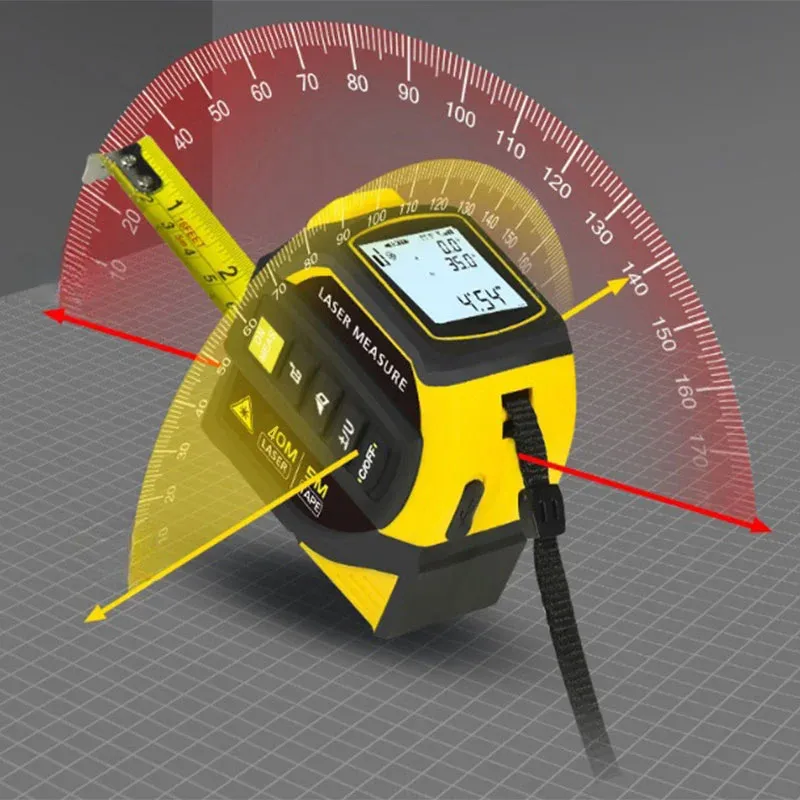
Getting accurate results from any laser alignment tool requires proper setup. Here's the process I'd recommend, whether you're fitting a kitchen or laying out partition walls.
Step 1: Surface Preparation
Clean the mounting surface or ensure your tripod is on stable ground. Even small vibrations from nearby machinery can cause the pendulum to oscillate, producing a blurred or wandering beam. On active building sites, wait 3–5 seconds after placement for the self-levelling mechanism to settle.
Step 2: Positioning
Place the unit at the correct working height. For wall-mounted tasks, magnetic brackets or suction mounts work brilliantly on smooth surfaces. For floor-to-ceiling work, a lightweight tripod with fine-height adjustment gives you the most control. Keep the laser within its stated working range — accuracy degrades beyond the rated distance.
Step 3: Calibration Check
Every 6 months (or after any drop or impact), verify calibration. The simplest method: project a horizontal line across a 10-metre span, mark both ends, then rotate the unit 180° and check alignment. If the marks differ by more than 2mm, the unit needs recalibrating. Most manufacturers offer this service for £15–£30.
Step 4: Marking and Working
With the beam projected, mark your reference points with a pencil at intervals. Don't rely solely on the visible beam during work — if the unit gets knocked or batteries die mid-task, you'll lose your reference. Belt and braces, as my dad always says.
2026 UK Buyer's Comparison: Top Laser Line Tools
I've pulled together the most relevant options across different budgets and use cases. These prices reflect UK retail as of July 2026.
| Model | Type | Beam Colour | Range (Indoor) | Accuracy | Price (£) | Best For |
|---|---|---|---|---|---|---|
| Bosch Atino | Compact Line Marker | Red | Up to 5m | ±0.5mm/m | 57.03 | DIY, picture hanging, shelving |
| DeWalt DW088K-XJ | Cross-Line | Red | 15m | ±0.3mm/m | ~130 | General trade work |
| Bosch GLL 50-20G | Cross-Line | Green | 20m | ±0.3mm/m | ~180 | Bright environments |
| Kapro 862 Prolaser | Cross-Line | Red | 20m | ±0.3mm/m | ~95 | Budget trade option |
| Bosch GRL 600 CHV | Rotary | Red | 600m (with receiver) | ±0.05mm/m | ~1,200 | Large commercial sites |
| Bosch GTL 3 | Tile Laser | Red | 20m | ±0.5mm/m | 186.99 | Tiling layout |
The gap between the Bosch Atino at £57.03 and a full cross-line laser at £130+ is significant. But so is the gap in capability. For most homeowners tackling weekend projects — shelves, frames, curtain rails, tile borders — the Atino delivers everything needed without the bulk or complexity. For daily trade use across varied tasks, the DeWalt DW088K-XJ remains the benchmark that others are measured against.
That said, the Bosch GLL 50-20G deserves a shout too. That green beam visibility is genuinely useful in conservatories and rooms with large windows where red beams wash out. My mate who does kitchen installations swears by it, and I get why.
Bosch Atino: The Compact Laser Line Tool That Replaces Three Items in Your Toolbox
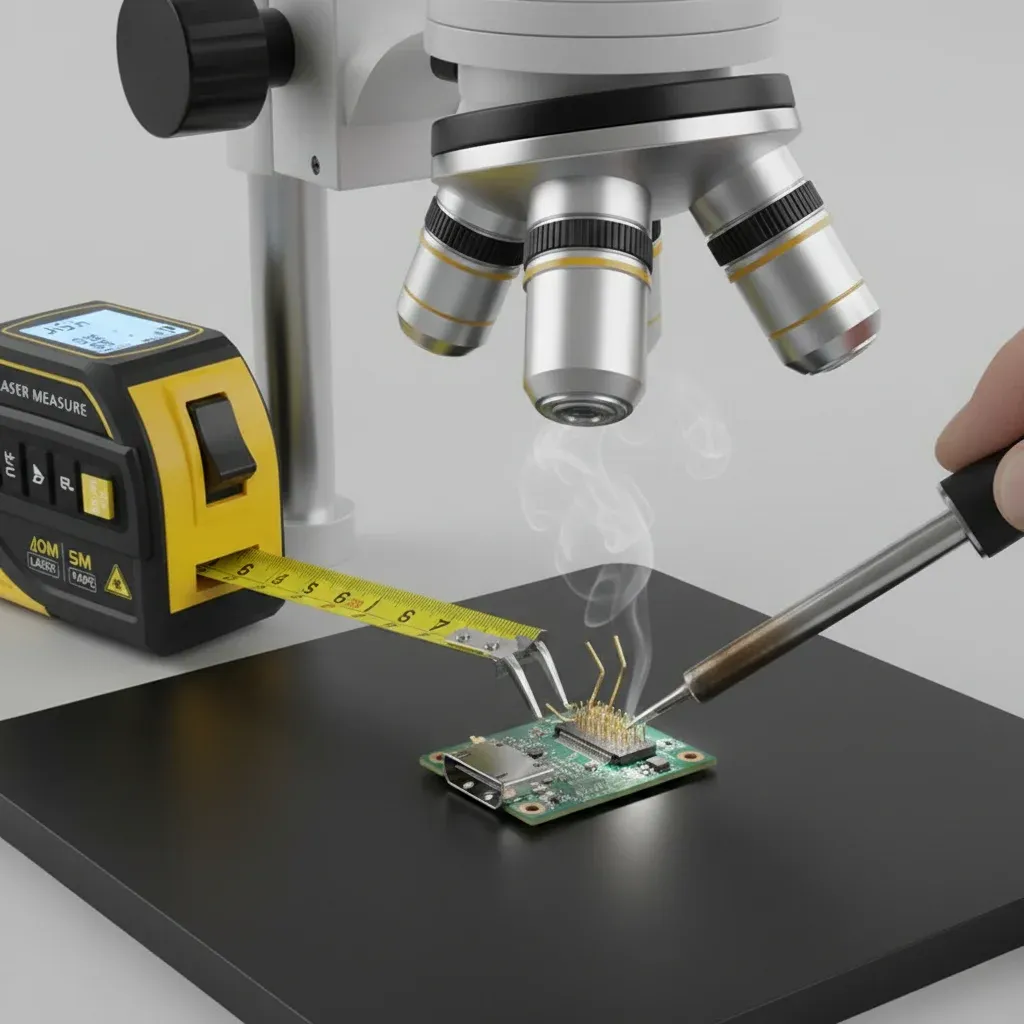
The Bosch Atino sits in a category of its own. At £57.03, it's positioned between basic spirit levels and full-featured cross-line lasers — and that's precisely the point.
It combines a laser line marker with integrated measurement tape in a single handheld unit. One-handed operation means you can hold it against a wall, project your reference beam, and mark with your free hand. No tripod. No second pair of hands. No faffing about.
Bosch Atino — Key Specifications:
- Price: £57.03
- Type: All-in-one alignment tool
- Replaces: Spirit level, tape measure, chalk line
- Operation: One-handed
- Ideal for: Home renovations, picture hanging, shelf installation, tile alignment
Honestly, I've tried cheaper alternatives from marketplace sellers and they just don't cut it. The beam quality is inconsistent, the housing feels flimsy, and the accuracy drifts after a few uses. The Atino holds its precision because Bosch actually calibrate these things properly in production. (You can tell the difference the moment you switch it on — the line is just cleaner.)
Is it going to replace a proper cross-line laser for a full-time tiler or joiner? No. That's not what it's for. But for the marketing exec who wants perfectly aligned gallery walls in her flat, or the weekend warrior fitting new shelving in the garage — it's spot on. You can browse the full range at boschll.co.uk to see how it fits alongside other options.
So what's the catch? Range is limited compared to professional units. You're looking at around 5 metres effective visibility indoors, which covers most domestic rooms but won't stretch across a warehouse. For the price point and intended use, that's a perfectly reasonable trade-off., popular across England
Safety, Standards and Regulations for Laser Tools in the UK
Laser products sold in the UK must comply with specific safety classifications. Most construction laser levels fall into Class 2 (output below 1mW), which means they're safe for incidental eye exposure due to the natural blink reflex. You'll find this marked on the unit's label.
The Health and Safety Executive (HSE) provides guidance on laser use in workplaces under the Control of Artificial Optical Radiation at Work Regulations 2010. For Class 2 devices, the requirements are minimal — don't stare directly into the beam, don't point it at people's faces. Common sense stuff.
What to Check Before Buying
Look for CE/UKCA marking — this confirms the product meets UK safety requirements post-Brexit. Products should also reference BS EN 60825-1 (the British Standard for laser safety). Any reputable manufacturer will display this clearly on packaging and documentation.
Steer clear of unbranded imports from overseas marketplaces that lack proper classification labels. I've seen units advertised as "Class 2" that clearly output well above 1mW based on beam visibility at distance. Not worth the risk to your eyesight for a £15 saving.
Battery and Environmental Considerations
Most compact laser tools run on AA or AAA batteries, giving 5–20 hours of continuous use. Rechargeable lithium units are becoming more common in 2026, particularly in the professional segment. Store tools between 5°C and 40°C — extreme cold affects battery performance and can cause condensation on internal optics.
Frequently Asked Questions
How accurate is a laser line tool compared to a spirit level?
A quality laser alignment tool achieves ±0.3mm per metre accuracy, which equals roughly 1.5mm deviation over 5 metres. A standard spirit level is accurate to approximately ±0.5mm per metre but requires physical contact with the surface. Over longer distances, laser tools maintain consistency where spirit levels cannot practically reach.
Can I use a laser level outdoors in daylight?
Red beams become invisible beyond 5–10 metres in direct sunlight. Green beams perform better, remaining visible up to 15–20 metres outdoors. For distances beyond this, you'll need a laser detector/receiver (£40–£80) which picks up the beam electronically at ranges up to 50–600 metres depending on the unit's power class.
What's the difference between a laser line projector and a rotary laser?
A line projector fans the beam through a lens to create a fixed visible line on one surface. A rotary laser spins a point beam 360° to create a level reference around an entire room or site. Line projectors suit interior fit-out work within 20 metres. Rotary lasers suit large-scale construction at distances up to 600 metres.
How often should I calibrate my laser level?
Manufacturers recommend calibration checks every 6–12 months for professional use, or immediately after any drop or impact. Self-check by projecting a horizontal line across 10 metres, marking both ends, rotating 180°, and comparing. Deviation greater than 2mm indicates recalibration is needed, typically costing £15–£30 through authorised service centres.
Is the Bosch Atino suitable for professional trade use?
The Bosch Atino at £57.03 is designed primarily for DIY and light trade tasks — picture hanging, shelf alignment, and small tiling jobs. Its 5-metre effective range limits professional use on larger sites. Full-time tradespeople typically need a cross-line laser (£95–£180) with 15–20 metre range and tripod mounting for all-day site work.
Are laser levels safe to use around children and pets?
Class 2 construction lasers (below 1mW output) are considered safe for incidental exposure due to the natural blink reflex. However, you should never allow children or pets to stare directly into the beam. The HSE recommends switching off laser tools when not actively in use and storing them out of reach of children.
Key Takeaways
- A laser line projector delivers ±0.3mm/m accuracy — significantly outperforming manual spirit levels over distances greater than 1 metre.
- Green beam lasers cost 20–40% more than red but offer up to 4x better visibility in bright conditions, making them essential for well-lit workspaces.
- The Bosch Atino at £57.03 provides the best entry point for DIYers wanting precision alignment without the complexity of full cross-line systems.
- Solo tradespeople benefit most — laser tools free both hands and eliminate the need for a second person on layout tasks, saving 15–30 minutes per room.
- Calibration checks every 6 months ensure continued accuracy; any deviation over 2mm at 10 metres means the unit needs professional recalibration.
- All laser tools sold in the UK must carry UKCA marking and comply with BS EN 60825-1 safety classification — avoid unbranded imports without proper labelling.
- For professional daily use, budget £130–£180 for a cross-line laser with 15–20m range; for weekend DIY, the £50–£60 compact category delivers proper bang for your buck.
Ready to upgrade your toolkit with BoschLL?
Get Yours Now — £42.28