Laser Level for Framing and Stud Walls: A UK DIY Guide
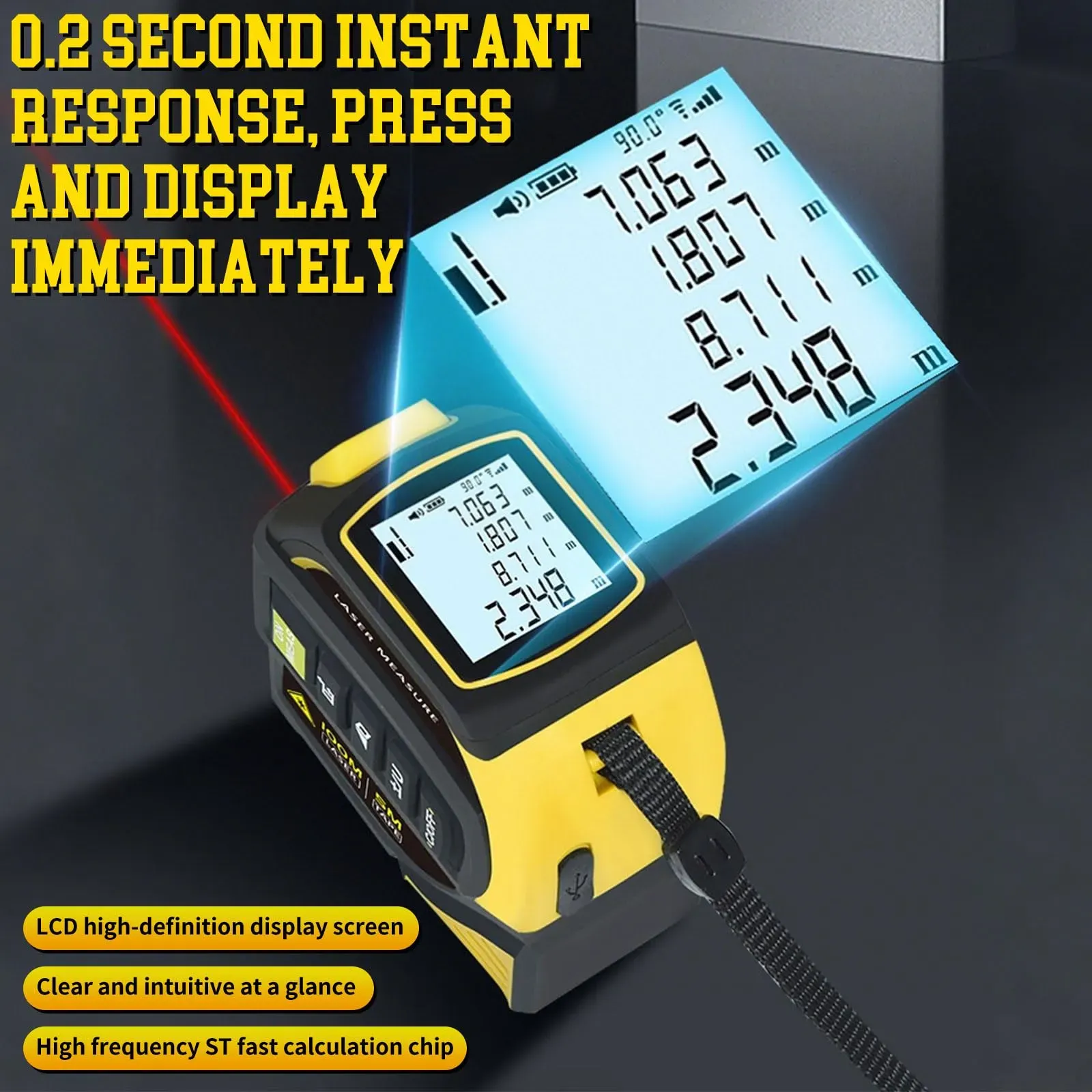
Framing a stud wall is all about keeping timber plumb, level and square, and a laser level takes the guesswork out of every one of those. This guide covers using a laser level for framing in a UK home, and is honest about which tool the job really calls for.
The tool for framing
Framing is layout work over the height and width of a wall, so the right tool is a self-levelling cross-line laser that throws a plumb line and a level line at once. That lets you transfer the wall position from floor to ceiling and set every stud to the same reference without a chalk line and a spirit level for each one.
Step by step
- Set out the plates. Use the plumb line to transfer the bottom plate position up to the ceiling, so the top and bottom plates line up exactly.
- Mark stud centres. Measure your stud spacing along both plates so the studs sit directly above one another.
- Plumb the studs. Stand each stud to the vertical laser line to keep it truly plumb before you fix it.
- Check for square. Use the level line and your measurements to confirm the frame is square before boarding.
Where a compact tool helps — and where it doesn't
A compact indoor line laser is not a substitute for a self-levelling cross-line when you are framing a whole wall — it is short-range and levelled by hand. Where it does help is the finishing that follows: marking a level line for noggins at a set height, aligning a run of shelves on the new wall, or setting out fixtures once the plasterboard is on. Think of it as the tool for the detail work rather than the structural layout.
Safety first
Before you fix anything into an existing wall or run cables through your new studs, check for buried services with a detector. A laser gives you a straight line, not an all-clear to drill.
The tool for the finishing, not the framing
For framing a whole stud wall, a self-levelling cross-line laser is the right tool. The Bosch Atino 2nd generation line laser comes into its own afterwards: a 270 g, rotate-to-green indoor line laser with a 1.5 m tape for marking noggin heights, aligning shelves and setting out fixtures on the finished wall. It is an indoor detail tool rather than a framing laser, and it costs £42.28 with free UK delivery.
Fitting out once the studwork is done?
Shop the Bosch Atino line laser — £42.28Frequently asked questions
Can you use a laser level for framing?
Yes. A self-levelling cross-line laser lets you transfer wall positions from floor to ceiling, plumb each stud to a vertical line and check the frame is square, which is far quicker and more reliable than a spirit level and chalk line alone.
What laser level is best for building a stud wall?
A self-levelling cross-line laser is best for framing, because it projects a level and a plumb line together for whole-wall layout. A compact manual line laser is better kept for the finishing work afterwards.
How do you keep studs plumb with a laser level?
Project a vertical (plumb) line where the stud will sit and stand the timber to that line before fixing it. Because the laser line does not move, every stud is set to the same true vertical.
Is a compact laser level enough for framing?
For structural framing, no — a short-range, manually levelled tool like the Bosch Atino is not designed for whole-wall layout. It is ideal for the finishing that follows, such as marking noggin heights and aligning shelves and fixtures.
Ready to upgrade your toolkit with BoschLL?
Get Yours Now — £42.28 · Free UK Delivery12-month Bosch warranty · 30-day returns